Can You Render or Install EWI in Cold or Wet Weather?
Render and EWI adhesives have real temperature and moisture limits. Here is what UK weather actually stops, what frost does to uncured render, and how professionals extend the season safely.
If you are planning external wall insulation or a fresh render finish, the British weather is probably your biggest worry — and with good reason. Render and adhesive are chemical products with real temperature and moisture limits, and ignoring them is one of the most common causes of failed finishes. The honest answer is that work can carry on through much of a UK autumn and winter, but only with the right products, the right protection, and a contractor willing to down tools when conditions genuinely rule it out.
The Temperature Window That Matters
Almost every render, basecoat and adhesive used in an EWI system is designed to be applied between roughly 5°C and 25°C. That window comes up again and again in EWI Pro's own technical guidance, and it exists for a simple reason: these materials cure through a chemical reaction that needs liquid water and moderate temperatures to complete properly.
Below about 5°C, curing slows dramatically. A basecoat that would firm up overnight in spring can sit soft and vulnerable for days in December. Above 25°C, the opposite problem appears — the material dries faster than it can properly cure, which weakens it. Crucially, it is not just the air temperature that counts. The wall itself can be several degrees colder than the air on a winter morning, or far hotter than the air in direct summer sun, so a professional checks the substrate, not just the forecast.
The critical rule for cold weather is forward-looking: if the temperature is expected to drop below 5°C within the first 24 hours after application, the work should not go ahead that day. It is not enough for it to be mild at lunchtime if a frost is due overnight.
What Frost Does to Uncured Render
Frost is the single most destructive thing that can happen to fresh render. A newly applied basecoat or topcoat still contains a significant amount of water. If that water freezes before the material has cured, it expands inside the render layer and physically breaks it apart from within. The visible result is surface cracking, crumbling or a finish that later delaminates — and there is no repair other than removal and reapplication.
This is why an overnight frost after a mild afternoon is so dangerous, and why a contractor who trowels on render at 3pm in January with a clear sky forecast is gambling with your money. Once render has fully cured it copes with freezing conditions without issue; it is only the uncured, water-laden stage that is at risk.
Rain During and After Application
Rain causes two separate problems. During application, water hitting fresh render can wash out fines, streak pigmented topcoats and dilute the surface, leaving a patchy, weakened finish. In the hours afterwards, heavy rain can saturate a basecoat before it has skinned over.
There is a useful distinction once everything has cured, though. Silicone renders — the standard finish APEX installs — are hydrophobic, meaning the cured surface actively repels water. Rain running down a finished silicone facade is doing no harm at all; that water resistance is one of the main reasons the product exists. The vulnerability is entirely in the wet, uncured stage.
Materials storage matters too. Some insulation boards can absorb moisture if left exposed on site, so boards, adhesives and bagged products need to be kept dry before they ever reach the wall. Fixing a damp board is storing up trouble behind the finish.
How Professionals Keep Working Through Winter
A good installer does not simply shut down from November to March — they change how they work. Several tools extend the season safely:
- Winter-grade adhesives. EWI Pro produces a winter adhesive formulated to work in temperatures down to 0°C, which keeps board-fixing viable on cold but frost-free days when a standard adhesive would be off-limits.
- Accelerators and additives. Curing accelerators speed up the set in cold conditions, shrinking the window in which the render is vulnerable to overnight frost. Anti-freeze additives offer further protection where appropriate.
- Faster-curing materials. Mineral render sets much faster than silicone-only systems — it can dry within a few hours — so specifying it for winter phases reduces the exposure time considerably.
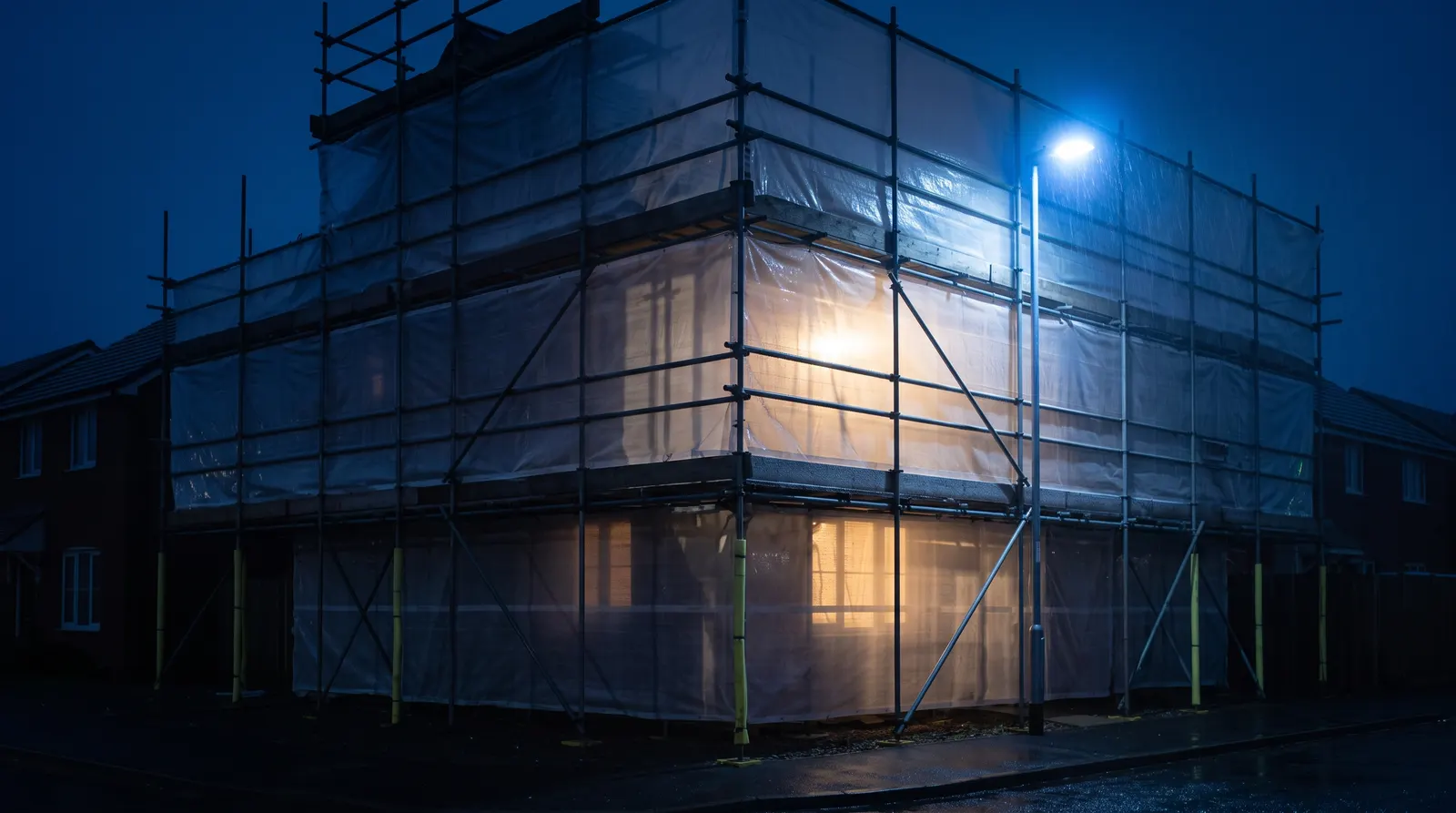
- Sheeting and tenting the scaffold. Wrapping the scaffold in protective sheeting or temporary shelters keeps rain and wind off fresh work and traps a slightly warmer, more stable microclimate against the wall. Ventilation still has to be maintained so the render can release moisture as it cures.
- Working to the forecast. Winter rendering becomes a game of picking windows — a dry, stable spell of two or three days is worth waiting a week for. Boards can often be fixed and mesh embedded in marginal weather, holding the decorative topcoat back for a better window.
Hot Weather Has Rules Too
It is worth knowing that summer is not automatically easier. Above roughly 25°C, render stiffens and skins too quickly, cutting working time and producing patchy texture and colour where wet edges dry out before the next section joins them. Rapid drying also robs cementitious products of the water they need to hydrate, leaving them weaker, and a hot wind makes this dramatically worse.
The professional response mirrors winter practice in reverse: start early, work the shaded elevations first and let the sun follow the crew around the building, dampen absorbent substrates or control suction with a primer, and use scaffold sheeting as sunshade rather than rain protection. The lesson for homeowners is that the season matters less than the method — a well-run site adapts to July and January alike.
Red Flags: When Work Should Simply Stop
Honesty matters here: some days are unworkable, full stop. Rendering onto a frozen or frost-covered wall, applying topcoat with rain falling, or finishing a wall at dusk with a sub-zero night forecast are not judgement calls — they are corner-cutting, and the defects may not show for months. If your installer packs up on a bad day, that is a sign of quality, not slowness. A contractor who never loses a day to weather in a British winter is either extraordinarily lucky or storing problems in your walls.
Reasonable questions to ask any installer include: what temperature limits do you work to, how do you protect fresh render overnight, and will you sheet the scaffold if the forecast turns? Clear answers to those three tell you a great deal.
Planning Your EWI Project Around the Seasons
Spring and early autumn offer the most forgiving conditions, but with winter products, scaffold protection and disciplined forecasting, external wall insulation is realistically a ten-to-twelve-month-a-year job in most of the UK — it just needs more schedule flexibility in the cold months. Booking a winter installation can even work in your favour, with quieter installer diaries and the insulation benefit arriving exactly when heating bills bite. The key is a contractor who plans around the weather rather than pretending it is not there. If you are weighing up timing for your own project, APEX offers a free survey and quote, and we will give you a straight answer on when your walls can realistically be done.
// RELATED
More Articles
Condensation and Interstitial Moisture in EWI Systems
Condensation is the most misunderstood damp problem in UK homes. Learn how dew point physics, breathable EWI systems and proper ventilation keep insulated walls dry inside and out.
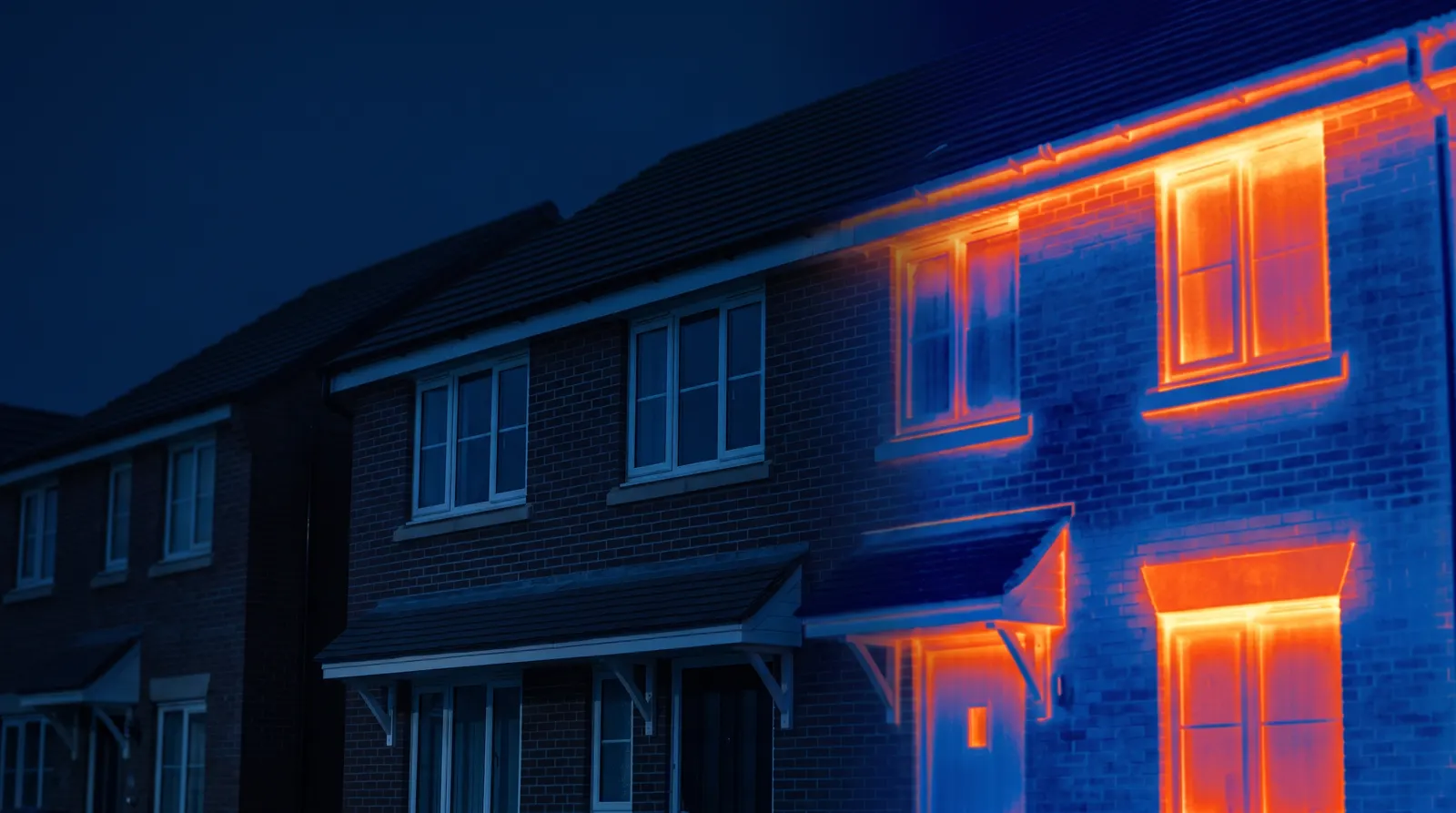
Understanding Thermal Bridging: The Hidden Enemy of EWI Performance
Thermal bridges let heat escape through gaps and junctions in an EWI system. Learn how they form, how psi values measure them, and how proper detailing designs them out.
Render Cracking: Common Causes and Professional Solutions
Why rendered walls crack — from mix errors and missing mesh to substrate movement — how to read the crack pattern, and how professionals repair and prevent it.
// EXPERT GUIDANCE
Need Professional Advice?
Our technical team is here to help with your EWI or rendering project. Get professional guidance tailored to your specific requirements.